

Selecting the perfect font for any language can significantly impact the readability and aesthetic appeal of the text. However, the importance of choosing the right font for the Arabic language is particularly profound. Arabic script is intricate and rich in history, with a unique flow and structure that must be respected to ensure clarity and visual harmony. The right font preserves the linguistic and cultural integrity while enhancing the visual experience for readers. A poorly chosen font, on the other hand, can lead to misinterpretation and detract from the intended message.
Fonts are more than just tools for legible text; they are instruments of expression and identity. In the Arabic language, where calligraphy holds a significant place, the choice of font can convey elegance, modernity, tradition, or simplicity. Each font style has its own character and can subtly influence the reader’s perception. For instance, a traditional Naskh font might evoke a sense of heritage and formality, while a modern Kufi font could be seen as stylish and contemporary. Thus, choosing the right font is essential for aligning the text with the desired tone and context.
Moreover, fonts play a critical role in accessibility and inclusivity. The right font ensures that text is easily readable for a wide audience, including those with visual impairments. Arabic script requires careful attention to spacing, line height, and character design to maintain legibility across different devices and screen sizes. By choosing an appropriate font, designers and content creators can make their work more accessible, thereby reaching a broader audience and enhancing user experience.
Characteristics of Good Arabic Fonts
Good Arabic fonts share several key characteristics that distinguish them from less effective options. First and foremost, legibility is paramount. Arabic script is naturally cursive and complex, with letters that change shape depending on their position within a word. A good Arabic font maintains clear distinction and readability of each character, regardless of its placement. This includes proper kerning and spacing, which are crucial for preserving the script’s flow and coherence.
Another essential characteristic is the aesthetic balance between tradition and modernity. Arabic fonts should respect the cultural heritage of the script while also catering to contemporary design trends. This balance ensures that the font can be versatile, suitable for various contexts from formal documents to digital interfaces. The font should harmonize traditional calligraphic elements with modern design principles, creating a visually pleasing and functional typeface.
Additionally, good Arabic fonts offer a range of styles and weights to provide flexibility in design. This includes variations like bold, italic, and light, which can be used to emphasize different parts of the text and create a dynamic visual hierarchy. A versatile font family allows designers to maintain consistency across different types of content while adapting to different design needs. This versatility is especially important in digital media, where fonts need to be adaptable to various screen sizes and resolutions.
Top Free Arabic Fonts for Download
Here are some top free Arabic fonts that you can download to elevate your design projects:
Alhabsyi: Alhabsyi is a decorative Arabic-style display font inspired by calligraphic strokes. It is well suited for posters, Islamic art graphics, headings, and social media visuals where artistic impact matters more than long body text. The letterforms are expressive and best used in short phrases and titles.

Download Alhabsyi Font For Free
Elmirad: Elmirad offers a modern Arabic display look with bold shapes and strong visual rhythm. It works well for branding headlines, logos, and packaging where you want a contemporary Arabic feel. Its heavier structure makes it effective for large-size usage and standout typography. The font is available for free download from FontSpace.
Download Elmirad Font For Free
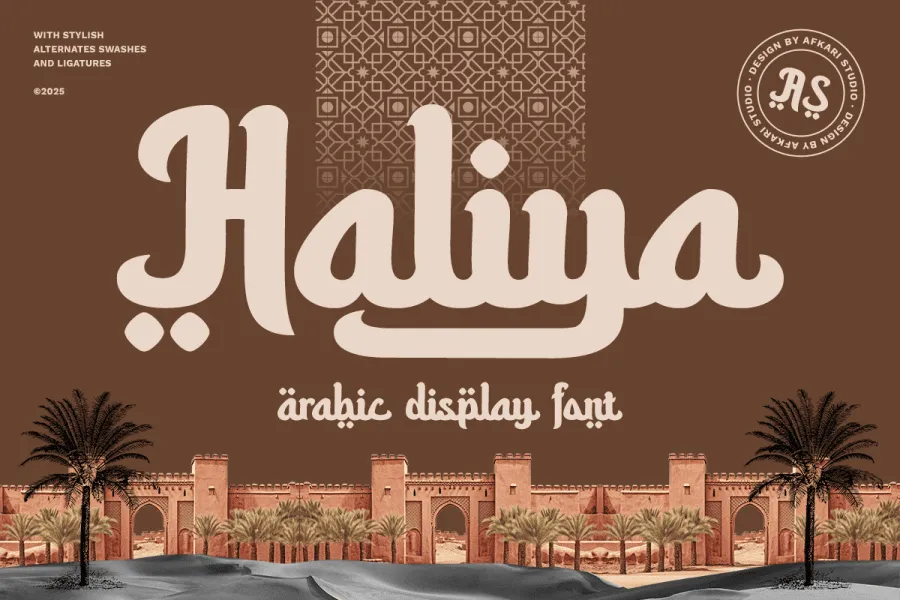
Haliya Regular: Haliya Regular is a stylish Arabic-inspired font with smooth curves and a balanced flow. It is suitable for creative layouts, quote graphics, and editorial-style headings. Designers can use it where a softer, more elegant Arabic typographic voice is required.

Download Haliya Regula Font For Free
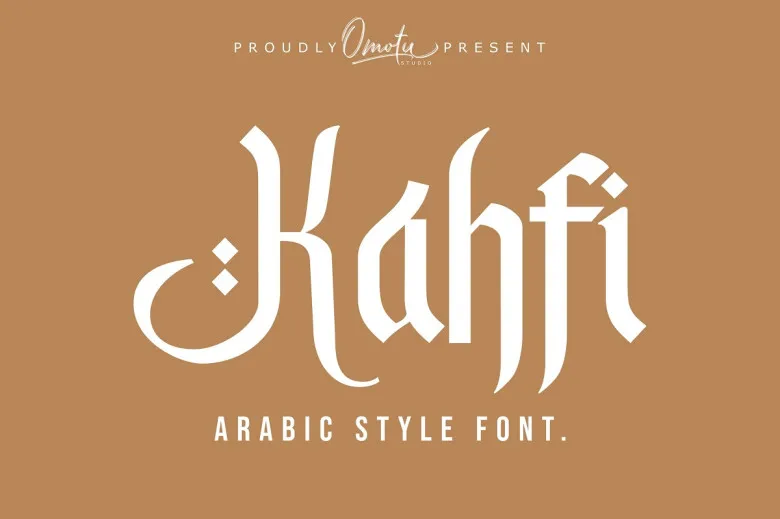
Kahfi: Kahfi is a clean and readable Arabic font that leans toward practical usage while still maintaining stylistic character. It can be used in both headings and short paragraphs, making it more flexible than purely decorative scripts. It is a good choice for digital graphics and simple branding materials.
Download Kahfi Font For Free
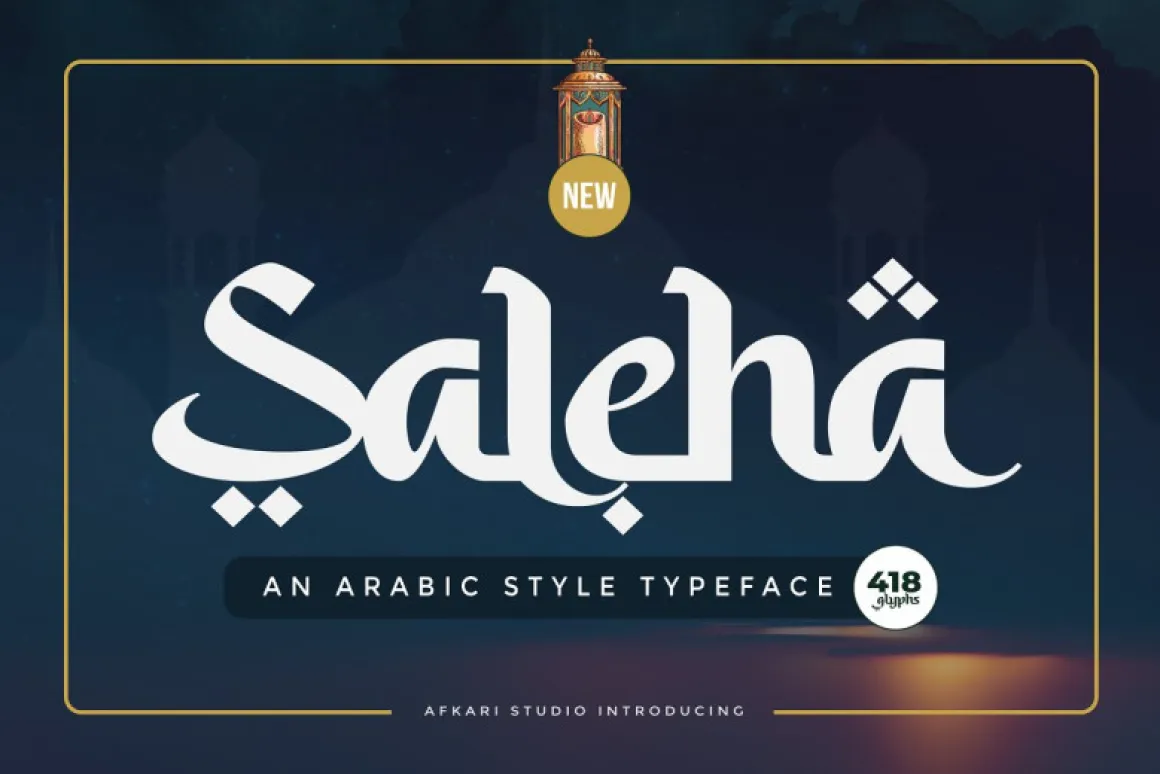
Saleha: Saleha is a graceful Arabic script font with a handwritten and calligraphic feel. It is ideal for invitations, religious content, quote designs, and artistic compositions. The flowing letter connections give it a personal and elegant tone.
These fonts not only provide high-quality design options but also ensure that your text is accessible and readable across different platforms. By choosing the right font, you can enhance the visual appeal and effectiveness of your Arabic content.
How to Install Arabic Fonts on Your Device
Installing Arabic fonts on your device is a straightforward process that ensures you have the right tools for your design projects. Whether you are using a Windows PC, Mac, or a mobile device, the steps are simple and easy to follow.
On Windows:
- Download the Font: Start by downloading the font file from a trusted source. Most fonts come in a .zip file, so you will need to extract it after downloading.
- Extract the Files: Right-click the downloaded .zip file and select “Extract All” to unzip the files. You should see .ttf or .otf files, which are the font files.
- Install the Font: Right-click the .ttf or .otf file and select “Install.” The font will be installed and available for use in all your applications. You can also drag and drop the font file into the Fonts folder located in the Control Panel.
On Mac:
- Download the Font: Download the font file from a reliable source and locate the .zip file in your Downloads folder.
- Extract the Files: Double-click the .zip file to extract the contents. You should see the .ttf or .otf font files.
- Install the Font: Double-click the font file to open it in the Font Book application. Click “Install Font” to add it to your system. The font will now be available in all your applications.
On Mobile Devices:
- Download a Font App: For mobile devices, you will need a font management app. Apps like iFont for Android or AnyFont for iOS are popular choices.
- Download the Font: Use the app to download the font file. The app will guide you through the installation process.
- Apply the Font: Once installed, you can apply the font to your text in supported applications.
By following these steps, you can easily install and start using high-quality Arabic fonts on your device. This will enhance your design capabilities and allow you to create visually appealing and readable Arabic content.
Tips for Using Arabic Fonts in Design
When incorporating Arabic fonts into your design projects, there are several best practices to ensure your text is both aesthetically pleasing and functional. Here are some valuable tips to keep in mind:
1. Prioritize Readability:
The primary goal of any text is to be read. Arabic script, with its cursive nature and variable letter shapes, requires careful attention to readability. Avoid overly decorative fonts for body text, as they can be difficult to read in long passages. Instead, reserve such fonts for headings or short, impactful phrases. Ensure proper line spacing and kerning to maintain clarity.
2. Consider Context and Tone:
The choice of font should align with the context and tone of your project. For formal documents, traditional fonts like Naskh are more appropriate, while modern designs may benefit from contemporary fonts like Kufi. The font should complement the overall design and convey the intended message effectively. In marketing materials, for instance, a bold and modern font can attract attention, whereas a more traditional font might be better suited for educational content.
3. Use Font Pairing Wisely:
Combining different fonts can enhance visual interest, but it should be done thoughtfully. Pair a decorative font with a simpler, more legible font to create a balanced design. For example, you might use a bold Kufi font for headings and a clear Naskh font for body text. This contrast can help guide the reader’s eye and highlight important information without overwhelming them.
4. Leverage Font Weights and Styles:
Most Arabic fonts come with various weights and styles, such as bold, italic, and light. Use these variations to create a visual hierarchy in your design. Bold fonts can be used for headings and subheadings, while regular or light fonts are suitable for body text. Italics can be used for emphasis or to highlight quotes and important points.
5. Test Across Devices:
Ensure that your chosen fonts look good on different devices and screen sizes. What looks great on a desktop screen might not be as legible on a mobile device. Test your design across various platforms to ensure consistency and readability. This is particularly important for digital content, where users access information on a variety of devices.
By following these tips, you can effectively use Arabic fonts to enhance your designs, making them visually appealing and easy to read. Thoughtful use of typography can significantly impact the success of your projects.
Popular Applications and Software for Arabic Typography
Designing with Arabic fonts requires the right tools to ensure high-quality results. Several applications and software are particularly well-suited for working with Arabic typography, offering features that cater to the unique aspects of the script. Here are some popular choices:
1. Adobe Illustrator:
Adobe Illustrator is a powerful vector graphics editor that is widely used for creating logos, illustrations, and complex designs. It offers robust support for Arabic script, allowing designers to manipulate text with precision. Features like advanced text controls, kerning, and custom font integration make it an excellent choice for Arabic typography. Illustrator also supports the right-to-left text direction, essential for Arabic script.
2. Adobe InDesign:
For layout design and publishing, Adobe InDesign is the go-to software. It provides comprehensive support for Arabic text, including the ability to handle complex layouts and multi-page documents. InDesign’s advanced typography tools, such as paragraph and character styles, make it easy to create professional-quality publications in Arabic. The software also supports right-to-left text flow and offers options for adjusting text alignment and justification.
3. CorelDRAW:
CorelDRAW is another versatile design software that supports Arabic typography. Known for its user-friendly interface and powerful design tools, CorelDRAW is ideal for creating everything from logos to multi-page brochures. It offers full support for Arabic text, including right-to-left writing and advanced text formatting options. CorelDRAW also integrates well with other design software, making it a flexible choice for designers.
4. Microsoft Word:
For simpler projects, Microsoft Word offers decent support for Arabic text. It is widely accessible and easy to use, making it suitable for creating documents, reports, and presentations in Arabic. Word supports right-to-left text direction and offers basic text formatting options. While it may not have the advanced features of design software, it is sufficient for less complex tasks and everyday use.
5. Affinity Designer:
Affinity Designer is a professional graphic design software that is gaining popularity as an alternative to Adobe products. It offers robust support for Arabic typography, including right-to-left text direction and advanced text formatting. Affinity Designer is known for its high performance and affordability, making it an attractive option for designers on a budget.
By leveraging these applications and software, designers can effectively work with Arabic typography, creating high-quality designs that are both aesthetically pleasing and functionally sound. Each tool offers unique features that cater to different aspects of design, making it possible to choose the best fit for your specific needs.
The Future of Arabic Font Design
The future of Arabic font design is bright and full of potential, driven by advancements in technology and a growing appreciation for the script’s aesthetic and cultural significance. As more designers and typographers turn their attention to Arabic fonts, several trends and innovations are shaping the landscape.
1. Digital Transformation:
The digital age has brought about significant changes in how fonts are created and used. With the rise of web and mobile applications, there is an increasing demand for Arabic fonts that are optimized for digital environments. This includes responsive fonts that adapt to different screen sizes and resolutions, ensuring readability and visual appeal across all devices. Advances in variable font technology, which allows a single font file to contain multiple styles and weights, are also making it easier to create versatile and dynamic typography.
2. Cultural Fusion:
As global communication continues to expand, there is a growing trend towards cultural fusion in design. Arabic font design is increasingly incorporating elements from other scripts and design traditions, resulting in innovative and hybrid typefaces. This fusion not only enhances the visual diversity of Arabic fonts but also promotes cross-cultural understanding and appreciation. Designers are experimenting with blending Arabic script with Latin or Cyrillic characters, creating unique and versatile fonts that cater to multilingual projects.
3. Artificial Intelligence and Machine Learning:
Artificial intelligence (AI) and machine learning are revolutionizing many aspects of design, including font creation. AI-powered tools can analyze vast amounts of data to identify patterns and trends, helping designers create fonts that are both aesthetically pleasing and highly functional. Machine learning algorithms can also assist in automating the tedious aspects of font design, such as kerning and spacing adjustments, allowing designers to focus on creative aspects. These technologies are making it possible to create more sophisticated and high-quality Arabic fonts with greater efficiency.
4. Increased Accessibility:
There is a growing emphasis on accessibility in design, and Arabic fonts are no exception. Designers are increasingly aware of the need to create fonts that are easily readable for all users, including those with visual impairments. This includes developing fonts with high contrast, clear letterforms, and appropriate spacing. Additionally, there is a push towards creating fonts that support a wide range of languages and dialects, ensuring that all Arabic-speaking communities are represented and can access high-quality typography.
5. Personalization and Customization:
The future of Arabic font design also points towards greater personalization and customization. With the advent of digital tools and platforms, designers and users alike can create and modify fonts to suit their specific needs and preferences. This trend is leading to a more diverse and dynamic typography landscape, where fonts can be tailored to fit the unique requirements of each project. Custom fonts are becoming more accessible, allowing brands and individuals to create distinctive and memorable visual identities.
As these trends and innovations continue to evolve, the future of Arabic font design promises to be exciting and full of possibilities. By embracing new technologies and approaches, designers can create fonts that honor the rich tradition of Arabic script while pushing the boundaries of creativity and functionality.
Resources for Finding More Arabic Fonts
Finding the perfect Arabic font for your project can be a rewarding experience, especially with the wealth of resources available online. Here are some reliable and diverse sources where you can discover and download high-quality Arabic fonts.
1. Google Fonts:
Google Fonts is a popular and extensive resource for free fonts, including a growing selection of Arabic fonts. The platform offers a user-friendly interface where you can preview and download fonts for use in your projects. Fonts like Amiri, Scheherazade, and Cairo are available here, making it a go-to source for quality Arabic typography.
2. Font Squirrel:
Font Squirrel is another excellent resource for free and commercially licensed fonts. The site features a curated collection of fonts, including Arabic options. Font Squirrel offers a webfont generator, allowing you to convert fonts for use on websites, ensuring compatibility and performance.
3. Dafont:
Dafont is a popular font repository that features a wide variety of fonts, including Arabic script. The site allows you to search by category, making it easy to find the perfect font for your needs. While many fonts on Dafont are free for personal use, be sure to check the licensing terms for commercial projects.
4. MyFonts:
MyFonts is a comprehensive font marketplace that offers a vast selection of professional fonts, including Arabic typefaces. While many fonts on MyFonts are paid, the site frequently offers discounts and promotions. MyFonts also provides detailed information about each font, including licensing options and designer credits.
5. ArFont Family:
ArFont Family is a dedicated platform for Arabic fonts, offering a curated selection of high-quality typefaces. The site features both free and premium fonts, catering to various design needs. ArFont Family also provides resources and tutorials for designers looking to improve their Arabic typography skills.
6. Creative Market:
Creative Market is a popular platform for purchasing creative assets, including fonts. The site features a diverse collection of Arabic fonts, created by independent designers from around the world. Creative Market offers both individual font purchases and subscription plans, providing flexibility for different budgets.
7. Fonts.com:
Fonts.com is a leading font distributor that offers a wide range of typefaces, including many Arabic options. The site features fonts from renowned foundries and independent designers, ensuring high-quality and professional typography. Fonts.com also offers a webfont service, making it easy to integrate fonts into your digital projects.
8. Behance:
Behance is a platform where designers showcase their work, including font design. Many designers on Behance offer their fonts for free or as part of a project download. Browsing Behance can lead to discovering unique and innovative Arabic fonts that may not be available on other platforms.
By exploring these resources, you can find a wide range of Arabic fonts to suit any design project. Whether you are looking for traditional, modern, or experimental typefaces, these platforms offer a diverse selection to enhance your typography.
Conclusion and Final Thoughts
Choosing the best font for the Arabic language is a crucial element of design that can significantly impact readability, aesthetics, and overall effectiveness. Arabic script, with its rich cultural heritage and unique characteristics, demands careful consideration when selecting the right typeface. By understanding the importance of font choice, recognizing the qualities of good Arabic fonts, and exploring top free options, designers can elevate their work to new heights.
The process of installing Arabic fonts on various devices is straightforward, ensuring that high-quality typography is accessible to all. Utilizing best practices for Arabic font usage in design, such as prioritizing readability, considering context, and leveraging font pairing, can further enhance the visual appeal and functionality of your projects. Popular applications and software provide the necessary tools to work with Arabic typography effectively, while emerging trends and innovations promise an exciting future for Arabic font design.
With a wealth of resources available for finding Arabic fonts, designers have ample opportunities to discover typefaces that fit their specific needs. From traditional to modern, free to premium, the diverse selection of Arabic fonts ensures that every project can benefit from high-quality typography.
Ultimately, the choice of font is more than just a technical decision; it is an integral part of the design process that